

Get the most out of your session
SteadyGround operates on the belief that impactful bodywork requires the active participation of a client.
Consider these tips:
-
The breath is arguably just as needed in effective deep bodywork as the therapist. It is a key part of the active participation of a client. When a therapist starts to sink into a tender spot, for example, deep inhales and exhales with your diaphragm (belly breaths) will help the tightness start to dissolve. Outside of feeling better in your problem areas, NMT sessions will also help you practice deeper and more intentional breathing, which is a habit that will pay dividends over time for your physical and also your mental well-being.
-
Whether it is through various types of felt sensation, observation of movement patterns or posture, etc., receiving bodywork can help someone gain greater body awareness. There is opportunity to be curious about the body, which can lead to insight and shifts in habits. Knowledge is power!
Clients may demonstrate an unconscious behavior known as “guarding”. This is when the nervous system senses a potential threat to the body (whether it is real or merely perceived) and directs the body to protect itself. This may manifest as rigidity in muscles, shallow breathing, or flinching. This type of response can occur across the body or in a particular area (see “biopyschosocial model" below). While this type of response is very normal and has its purpose, it can often be a barrier for addressing the dysfunction that is present. Through patience, intention, and trust developed through the therapeutic relationship, the client (alongside their friend, the breath!) can tell the nervous system that the body is safe enough to receive the work.
It is normal to experience some soreness for a day or two after a session of deep bodywork.
-
While it is incredibly valuable to experience relaxation and/or get some short-term pain relief, the real impact of massage occurs over time. Whether it is biweekly, once a month, etc., regular massage has incredible impacts on your health and wellness.
Clients who come in with a specific issue they want to address will likely get a better outcome when they recognize that it may require multiple sessions.
neuromuscular therapy (
Illustrations adapted from the work of Travell, Simons, & Simons
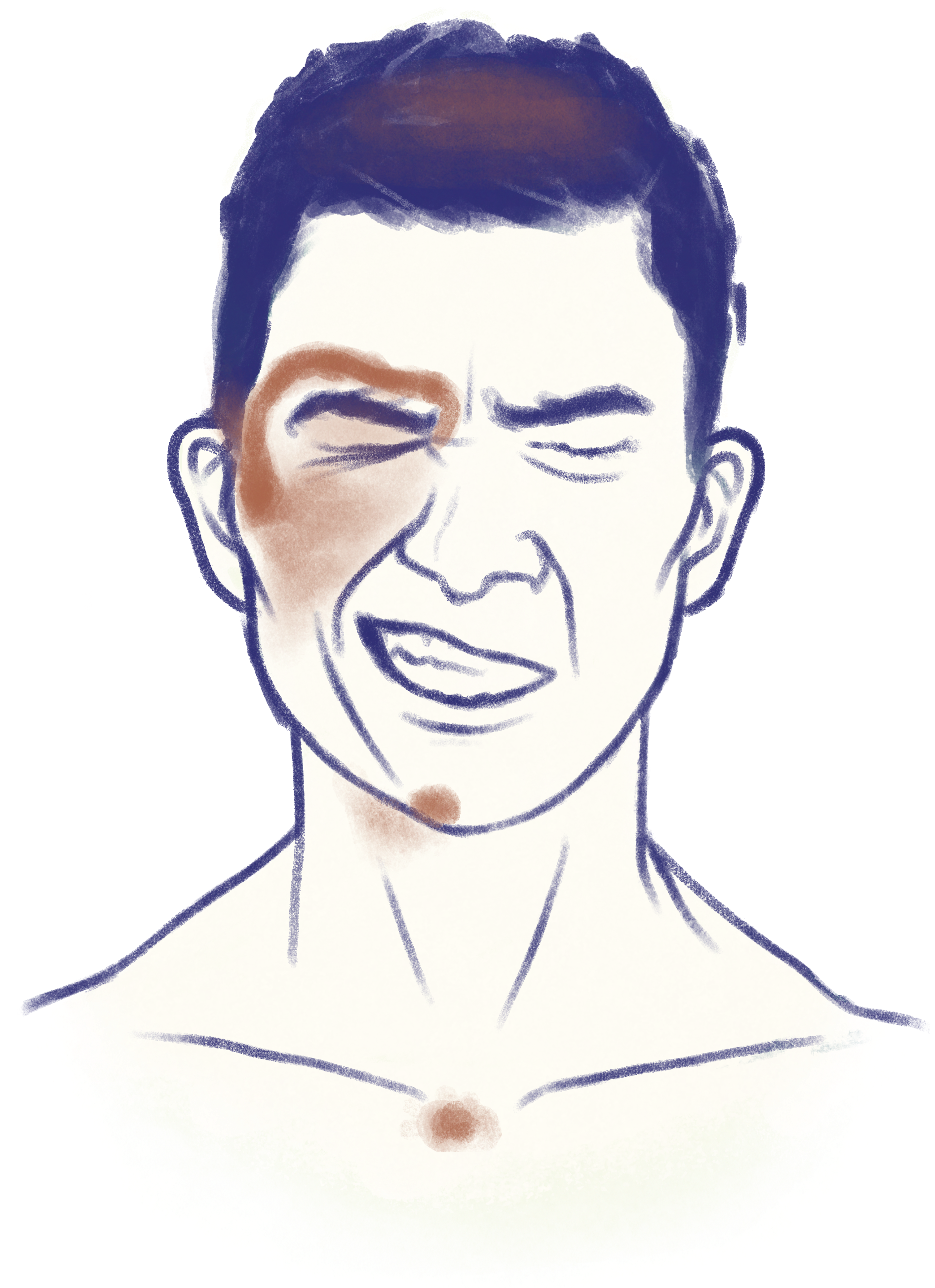
It is fair to say that waking up with a crick in the neck or developing a throbbing headache is part of the human experience. The average person may think that if a part of the body hurts, then that is where the source of the pain is. Sometimes that is true, but it is often more complicated than that. Our bodies contain a complex network of tissues that communicate information to and from our brain at rapid speed. Sometimes when we experience something that feels painful, there is damage to the tissues of our body. Other times, however, there may not be any tissue damage. The biopyschosocial model of pain is a way to understand the complexity of what we call “pain” and accounts for factors that are outside of physical damage.
One concept important in understanding our experience of pain is what’s called a trigger point. Trigger points are essentially tight and irritable spots in your muscles or connective tissue (fascia, for example) that function as the epicenter of pain. When pressed on or activated in some way, these points often “refer” to other parts of the body, meaning a sensation is felt somewhere else. What is really interesting is that through years and years of research, there have been documented patterns of pain that are experienced in many people.
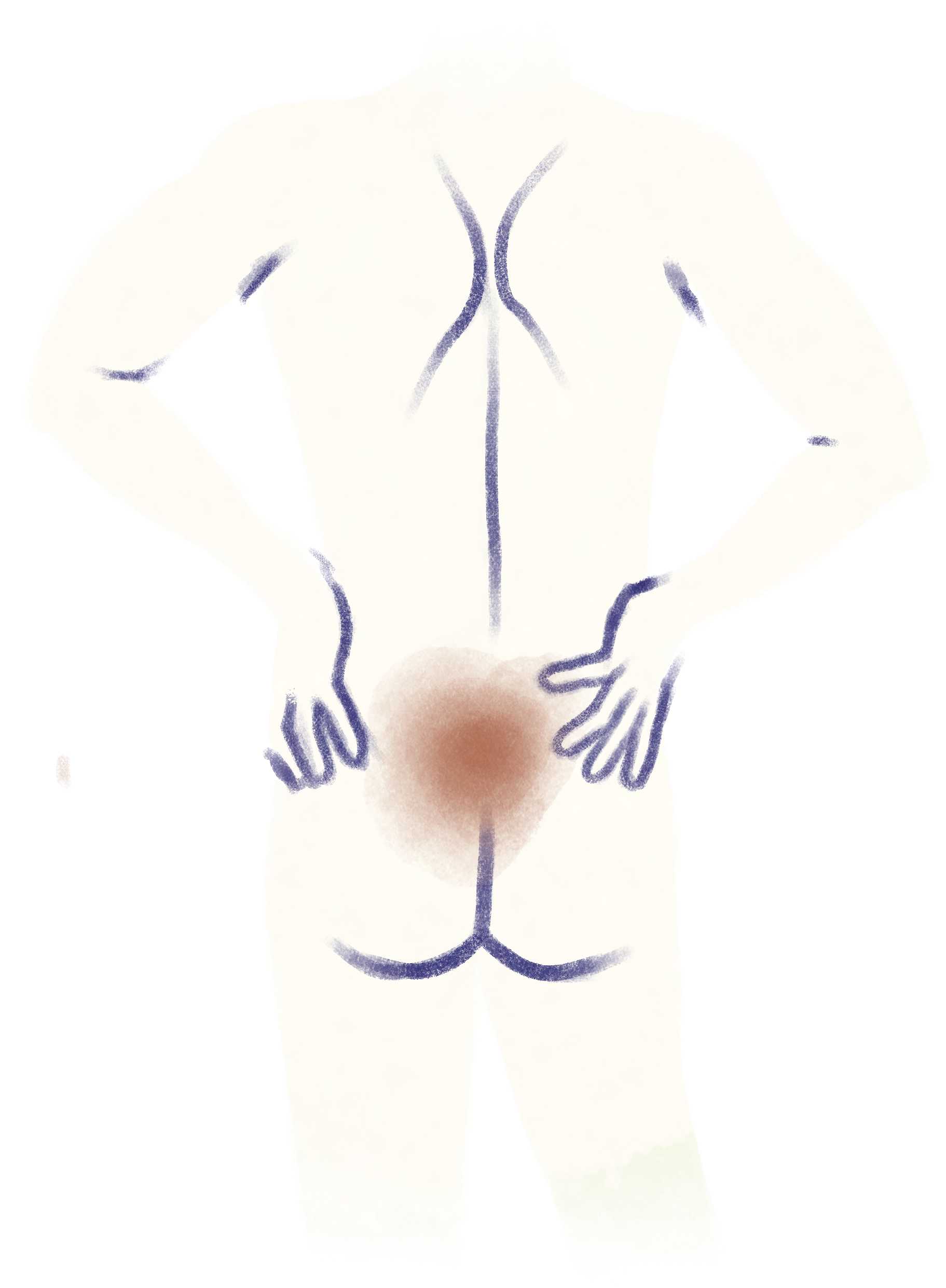
Why does this all matter? As a client, having a basic understanding of this model of pain can empower you to be more observant of yourself and the various factors that impact your day-to-day bodily experience. This of course includes the relationship between pain and stress, the classic example being “carrying your stress in your neck and shoulders”. Developing this more expansive lens through which to observe your body can help you communicate with your therapist about what you are experiencing. This in turn can be extremely helpful for them in identifying where there may be dysfunction, so they can address it!
Neuromuscular Therapy (NMT) is a specialized, evidence-informed modality of manual therapy that focuses on treating musculoskeletal pain and dysfunction by addressing the interaction between the nervous system and muscular system. It uses precise, targeted tissue manipulation to identify and relieve trigger points, nerve compression, muscle imbalances, postural distortions, and altered movement patterns that contribute to pain and restricted function. If your experience with massage has primarily been spa-oriented, some aspects of an NMT session may surprise you. In NMT, therapists may use techniques like myofascial skin stretching, Instrument-Assisted Soft Tissue Mobilization (IASTM), or firm rubbing (known as friction) over bony prominences. NMT can certainly feel relaxing, however its focus is therapeutic.



client POLICIES
First-time clients:
It is highly encouraged that clients complete their health history forms online prior to the appointment. This will allow for the appointment to run more smoothly and it will ensure that the therapist has the information they need to offer exceptional service. If a client fails to complete the health intake forms prior to the session, they will be required to complete them when they arrive for their session. This may result in a reduction in hands-on time.
Cancellation & No-Shows
Clients can cancel or reschedule appointments for no charge if this occurs at least 24 hours in advance of the appointment time.
If a client cancels or reschedules a session within 24 hours of the scheduled time, they will be charged 75% of the scheduled service’s cost.
Clients who do not show-up for an appointment will be considered a no-show. No-shows result in a charge equal to 100% of the scheduled service.
We understand that life happens. Please communicate with us around scheduling changes and we’ll do our best to work with you!
Late Arrival
When a client arrives after the scheduled start time, the session will still end at the originally set end time. This may result in a reduction in hands-on time. This policy is to ensure the therapist has adequate time to prepare for the next scheduled client.
Series
Session series are packages of sessions purchased together and are non-refundable. They may be transferred to someone else if the therapist approves. This is at the full discretion of the therapist and will be handled on a case-by-case basis.
Health History Transparency
One of the fundamental duties of a massage therapist is to “do no harm”. In order for the therapist to provide safe and therapeutic treatment, it is the responsibility of the client to share any relevant health history information when prompted on the intake form and/or during the intake interview. Failure to share important health information with the therapist may increase the risk of treatment causing adverse health effects, depending on the nature of the health condition(s) and/or the requested treatment. It is the client’s responsibility to report changes in their health status to the therapist.
Sexual Harassment & Solicitation
The massage therapy services offered by SteadyGround are strictly professional and therapeutic. Any form of sexual solicitation, sexual comments, suggestive behavior, or inappropriate touching will not be tolerated. If such behavior occurs, the therapist may provide a warning or may terminate the session immediately depending on the severity of the behavior. In the case of a session ending early, full payment will be due, and the client may be permanently denied future services.
Substance-Free
In the interest of safety and to support clients giving informed consent for treatment, they may not come to a session under the influence of any substances including alcohol, cannabis, etc. Failure to follow this policy will result in the session being cancelled or terminated early and the client will still owe the full cost of service.
Confidentiality
All personal, health, and treatment information shared with the therapist—whether written, verbal, or observed during your session—is kept strictly confidential. We will not disclose your information to anyone without your written consent, except when required by law (such as concerns of abuse, danger to self or others, or legal subpoenas).
You have the right to request your records at any time.
Health & Safety
If a client or therapist feels sick, has a fever, or is experiencing any other symptoms that may suggest they are contagious, it is their responsibility to communicate this so we can postpone. This will minimize the chance of spreading infectious disease or illness.
This policy also includes contagious skin conditions. Depending on the nature of the condition, it may result in the therapist simply avoiding an area of the body or it may result in postponing the session.